










If you joined us at one of our recent seminars in New Plymouth, Auckland or Christchurch, you’ll have heard a common theme: when it comes to your financial future, clarity matters.
Across the Independent Advice. Global Perspective sessions, we set out to answer the questions many people quietly carry. How do you know you’re getting the right advice? What does a sensible investment plan actually look like? And how do you make confident decisions in a world that often feels uncertain?
This article brings together the key insights from those sessions, with practical guidance you can use now, whether you attended or not.
Start with the right questions
One of the most valuable discussions from the seminars came from a simple idea: the quality of advice you receive depends on the questions you ask.
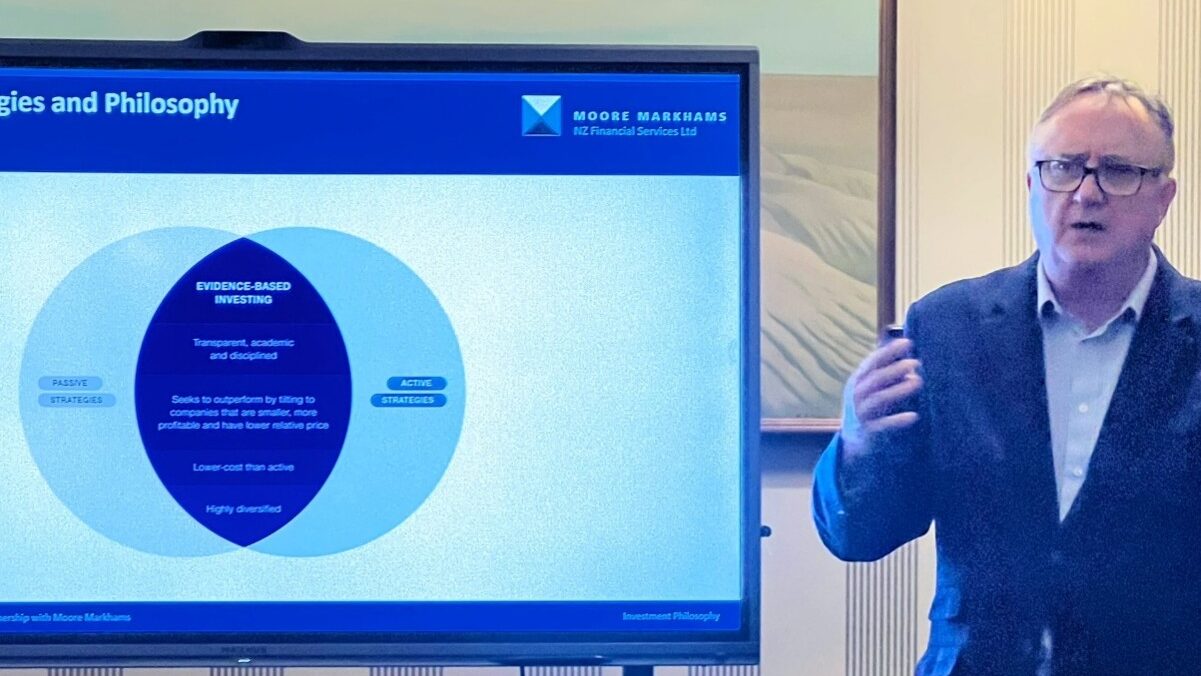
In the session presented by Marc Nel and Michelle Chen 8 Key Questions to Ask Your Financial Adviser, we encouraged clients to look beyond surface-level conversations and focus on what really matters.
For example:
- How is your adviser qualified, and how do they stay current?
Financial advice should be grounded in recognised standards and ongoing learning. - What services are included and how are fees structured?
Clear, transparent fees help you understand the value you’re receiving. - What is the investment philosophy?
This shapes every recommendation. Without clarity here, it is difficult to know whether an approach suits your long-term goals. - What does reporting look like over time?
Regular, understandable updates make it easier to stay on track.
These aren’t theoretical questions. They help you avoid common pitfalls such as investing in products you don’t fully understand or paying for advice that doesn’t fit your needs.
If you’re reviewing your current setup or starting fresh, these questions give you a strong foundation.
Making sense of a complex investment world
Another key theme we explored was how to navigate an increasingly complex investment landscape.
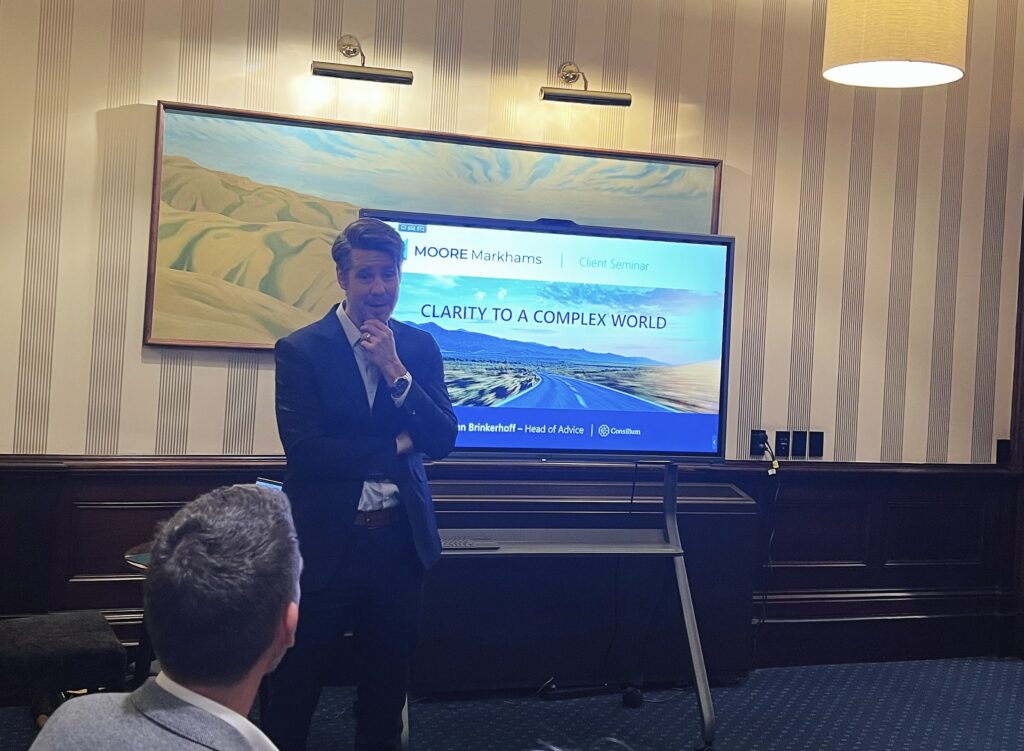
In Clarity to a Complex Investment World presented by Ben Brinkerhoff, he shared the principles behind evidence-based investing and why a disciplined, globally diversified approach can improve long-term outcomes.
In practical terms, this means:
- Building portfolios that spread risk across regions, industries and asset types
- Avoiding reactive decisions based on short-term market movement
- Focusing on long-term growth rather than quick wins
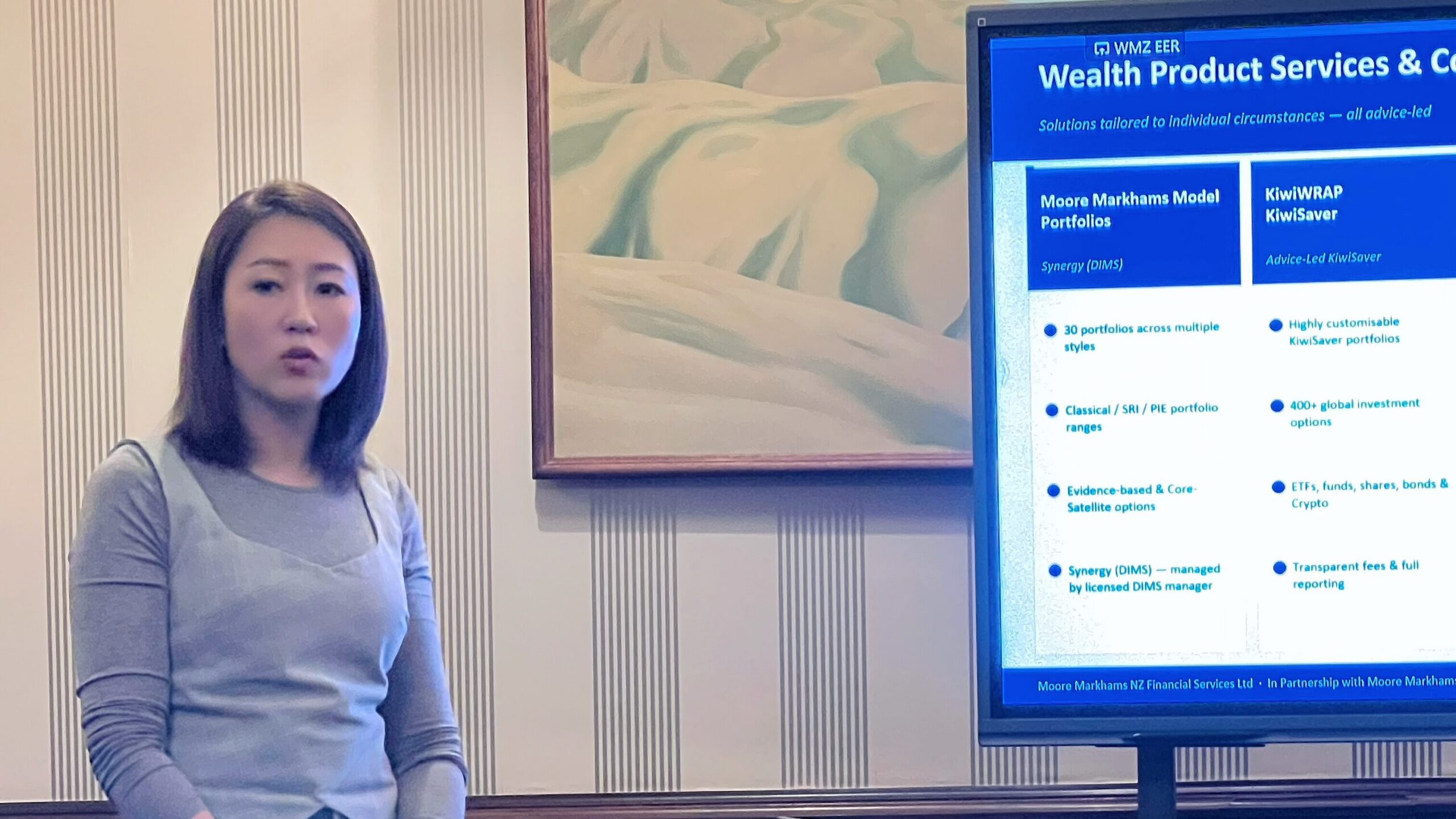
This approach sits behind how many of our clients invest today through model portfolio plans. These are structured portfolios designed to match different risk levels and life stages, helping you stay consistent even when markets shift.
Turning strategy into real-life decisions
Clear principles are useful, but what matters most is how they apply to your situation.
Here are some of the common challenges raised during the seminars and how they translate into practical decisions.
I’ve moved to New Zealand. What should I do with my overseas pension?
This is one of the most complex areas we deal with.
Transferring an international pension into New Zealand can open up more flexible management and alignment with your broader financial plan, but it needs to be handled carefully. Tax rules, timing and transfer options all affect the outcome.
For many clients, getting this right creates a clearer path for retirement and simplifies their financial life in New Zealand.
Am I doing enough for retirement?
For some, KiwiSaver is the starting point. For others, it is only one piece of the puzzle.
We work with both ends of the spectrum:
- Volume-based KiwiSaver guidance that ensures you are in the right fund for your goals
- Bespoke retirement planning for clients with more complex needs, including multiple income streams, business interests or international assets
The aim is the same in both cases. You want confidence that your money is working as hard as it should be, without taking unnecessary risks.
How should I invest beyond KiwiSaver?
Many seminar attendees were already contributing to KiwiSaver but wanted to build additional wealth.
That is where structured investment plans come in. A model portfolio can provide:
- A consistent, diversified approach
- Clear expectations around risk and return
- Regular rebalancing to keep your plan on track
Some clients also explore alternative stores of value, such as gold bullion or carefully considered cryptocurrency exposure. These are not suited to every plan, but they can play a role when used with clear intent and proper advice.
What about property?
Residential rental property continues to be part of many New Zealanders’ investment strategies.
The key is to assess it alongside your broader financial position. Property can provide income and long-term growth, but it also comes with debt, compliance obligations and market-specific risks.
A balanced plan considers how property fits with your other investments, rather than relying on it alone.
Why a long-term approach works
One of the strongest messages from the seminars was the value of staying disciplined over time.
Short-term market noise can be distracting. It often leads to decisions that feel right in the moment but reduce long-term returns. A clear investment philosophy, backed by evidence, helps you stay focused when markets move.
We often show clients how this plays out over time. Small, consistent contributions combined with compounding returns can grow significantly across working years and into retirement. The earlier you start and the more consistent you are, the greater the impact.
What this means for you
If there is one takeaway from the Independent Advice. Global Perspective sessions, it is this: confident financial decisions come from understanding your options and having a plan you trust.
You might be:
- Reviewing your current adviser relationship
- Planning for retirement in New Zealand
- Considering how to bring overseas assets into your plan
- Looking to invest beyond KiwiSaver
- Weighing up property alongside other opportunities
Wherever you’re starting from, the next step is to connect your decisions to a clear strategy.
That is where good advice makes the difference. Not by overwhelming you with technical detail, but by helping you understand what matters for your situation and guiding you forward with confidence. Reach out to our Financial Services team here.
About the Authors
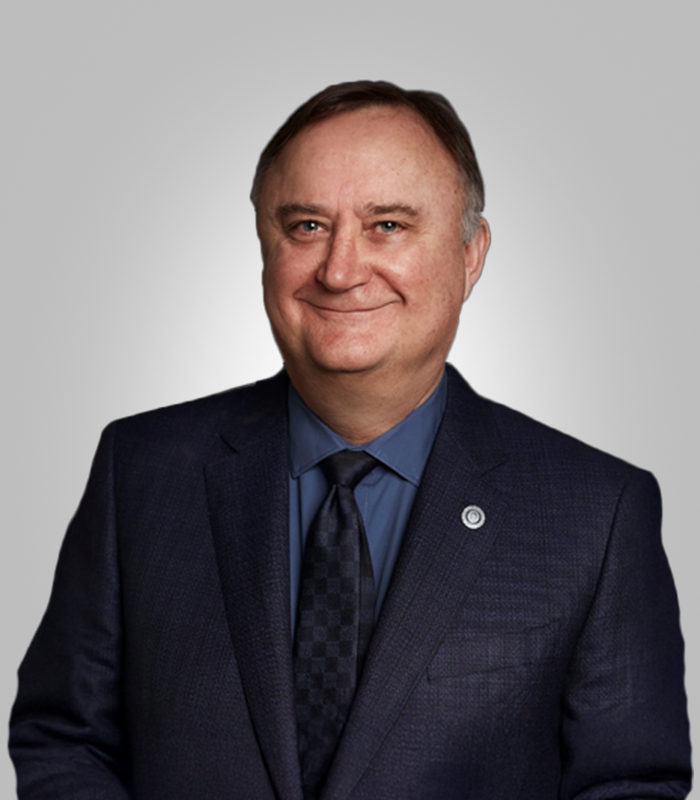
Director, Moore Markhams New Zealand Financial Services / Consultant, Moore Oldershaw
Marc Nel is a Consultant and retired Partner/Director at Moore Oldershaw and Director of Moore Markhams Financial Services in Napier. He advises on audit, accounting, cross-border tax, investment planning, international pension transfers and business establishment for international clients.
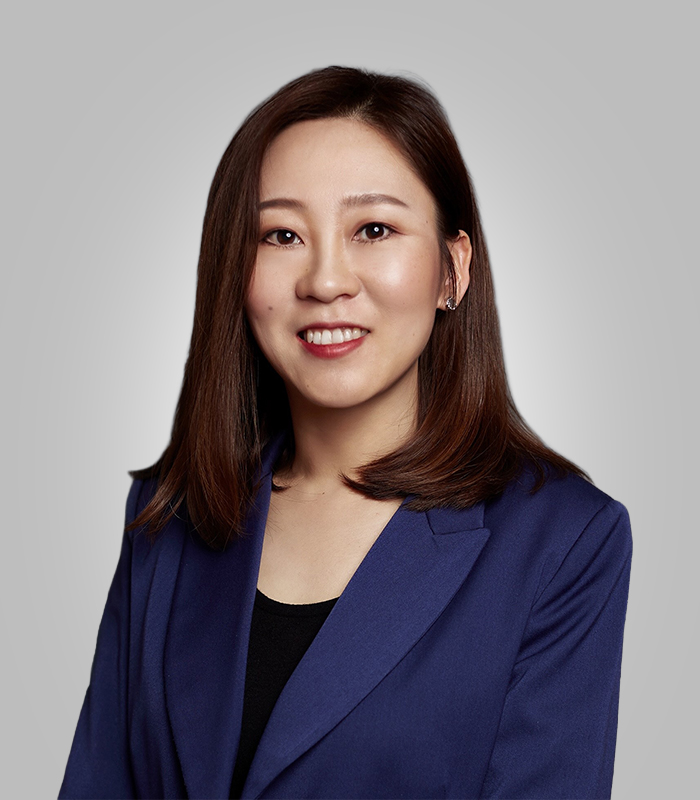
Director, Moore Markhams Financial Services / Associate, Moore Oldershaw
Michelle Chen is a Financial Adviser and Director at Moore Markhams Financial Services and an Associate at Moore Oldershaw. With over 19 years in accounting and 8+ years in wealth management, she advises on cross-border tax, international pension transfers, investment planning and wealth management. Fluent in Mandarin.