









Uncertainty has become the backdrop to everyday business decision making in New Zealand. Interest rates, inflation pressures, shifting demand, and ongoing global volatility are weighing on confidence and forcing business owners to rethink their next move. In times like these, clear and grounded economic insight is not just useful, it is essential.
We were grateful to have Jarrod Kerr, Kiwibank’s Chief Economist, for a practical and timely webinar. He breaks down what is really happening in the Kiwi economy and the pressure points businesses need to keep an eye on.
Below is the session recording and transcript.
Transcript
Kia ora koutou, and welcome. Thank you all for taking the time to join us today.
There is a lot going on right now, and we’re being asked to forecast very precisely what’s going to happen over the next few months and even years. As an economist, demand for what you do always spikes during times like this, usually at exactly the moment you have the least clarity. And that’s very much the situation we’re in now.
The outlook is complicated, to put it politely. There are risks on both sides: upside risks to inflation, downside risks to growth, and a whole lot of uncertainty in between.
For New Zealand businesses, this is particularly challenging. Many are experiencing significant cost increases, from diesel and petrol prices through to shipping and logistics. At the same time, Kiwi households have been under pressure for several years now. We’ve effectively been in a cost‑of‑living crisis for three years, driven at different times by rising interest rates, higher food prices, electricity costs, and council rates. Many of what were meant to be one‑off price increases have stacked up.
Inflation has eroded purchasing power, and household budgets simply don’t stretch as far as they used to. We can see that clearly in discretionary spending data. Card spending on clothing and footwear, for example, has been declining for three years. Retailers are doing it tough.
I do have a slide pack, like all economists, I like to hide behind charts, but before we dive into that, I want to be upfront: we don’t know exactly how this will play out. No one does. Some of the optimism we heard early on, that everything would be resolved in days or weeks, has faded. Even talk of short ceasefires has proven uncertain.
I think we’d be fortunate if things returned to normal within a few months. If we’re being realistic, getting through the rest of this year without further disruption would be a good outcome.
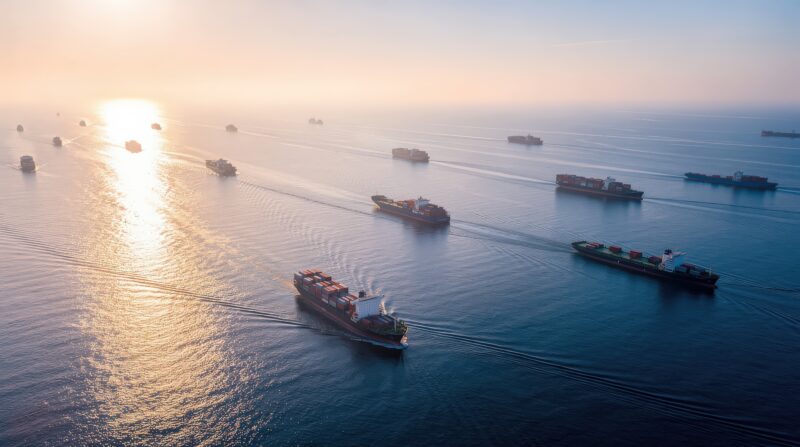
The global impact has been significant, particularly in Asia and Africa. A large proportion of oil consumed in Asia flows through a single key shipping route. Countries like Japan and South Korea rely on it for the majority of their oil supply. When prices rise sharply, demand is destroyed, not because people want less, but because they simply can’t afford it. In poorer nations, especially parts of Africa, economies can grind to a halt.
When you bring it back to New Zealand, we’re seeing similar effects, particularly in construction and other diesel‑intensive sectors. This is a major shock, and it’s one that will have lasting impacts on supply chains. Businesses adapt over time, finding alternative suppliers, building inventory, or holding more stock, but all of that comes at a cost.
The immediate effect is straightforward: oil prices rise, petrol prices rise, and diesel prices rise even more. Diesel matters enormously because it’s embedded across the entire economy, transport, freight, agriculture, construction. As those costs rise, airfares rise, shipping costs rise, and inflation spikes.
The key debate now is whether this inflation is temporary or persistent. Different banks have different views. Our view at Kiwibank is that it is temporary and largely demand‑destructive, not demand‑creating. This is not COVID. During COVID, we saved money because we couldn’t spend it, and when restrictions lifted, spending surged. That won’t happen this time.
Household budgets have already been damaged. Even if petrol prices come back down somewhat, which is not guaranteed, households will simply return to more normal spending patterns. They won’t suddenly start splashing cash; they’ll just have a bit more breathing room.
So, the policymaker question becomes: is inflation temporary, or does it persist? Central banks overseas are giving mixed signals. There has been talk of rate cuts in the US, while Australia may still be hiking. In New Zealand, before the Iran conflict escalated, we expected the Reserve Bank to hold rates until early next year.
Now, however, this inflation shock is pushing the New Zealand economy back towards contraction. Many economists expect a decline in activity in the second quarter, possibly extending into the third. That raises the risk of a prolonged recession, and I find it hard to believe that any central bank would hike rates aggressively into that level of uncertainty.
Financial markets have behaved in interesting ways. Gold and silver prices have risen, reflecting inflation hedging and diversification away from the US dollar. Despite everything going on, equity markets have been remarkably calm. Volatility is nowhere near what we saw during COVID, the GFC, or even last year’s tariff‑driven shocks.
That lack of market pressure means geopolitical conflicts can drag on longer than people expect.
One area that hasn’t received enough attention is tourism. Tourism was New Zealand’s largest export pre‑COVID, even larger than dairy. Late last year, international tourism had finally returned to pre‑COVID levels. Operators were having a great summer, Queenstown was buzzing.
Then the war hit. Airfares surged, but more importantly, flights were cancelled. Air New Zealand alone cancelled around 1,100 flights. That means fewer international visitors and fewer Australians arriving over winter for the ski season, which is crucial for many regions.
Search and travel data shows a clear drop in travel intent. When flights triple in price and supply disappears, people rethink their plans. Some New Zealanders may holiday domestically instead, which helps a little, but we lose high‑value international visitors. That’s a hit to our largest export, again.
Agriculture is also affected. Diesel is critical across the sector, from harvesting to transport. While export prices have been supportive, costs remain extremely high.
On the currency front, the New Zealand dollar has eased slightly, which helps exporters. Against Australia, the Kiwi has fallen more sharply. With Australia hiking rates and New Zealand easing, that currency move creates a meaningful discount for New Zealand exports and makes travel here more attractive for Australians.
Regionally, the picture is mixed. Christchurch is performing strongly, with noticeably higher activity and optimism. Wellington, by contrast, feels like a completely different economy. Unfortunately, we expect softness to broaden over time.
Turning to interest rates, the Reserve Bank cut aggressively, but communication missteps caused markets to price in rate hikes sooner than warranted. Governor Anna Bremner has worked hard to calm expectations, emphasising that the Bank needs clarity before acting.
Despite that, markets are still pricing multiple rate hikes this year, which I think is overly aggressive. Our central view remains: no hikes until February next year. We need to see more inflation data before making those decisions.
There are upside risks, if inflation proves more persistent, rates could rise faster, but that scenario would hurt exporters, tourism, dairy, manufacturing, and households. A stronger currency and higher mortgage rates would restrain demand at exactly the wrong time.
There are also downside risks. If we face actual fuel supply shortages, not just high prices, that would be far worse than COVID. That is not our central forecast, and good work is being done by government agencies to track supplies, but it remains a risk worth acknowledging.
On the positive side, banks are lending. During 2021–24, bank reluctance to lend worsened the downturn. Over the past six to nine months, lending appetite has returned. Competition between banks is back, which is good news for businesses and households.
Q&A Highlights
Is there a risk of stagflation?
I don’t think so. Inflation will spike temporarily but ease back relatively quickly. We’re not talking about sustained 8–10% inflation, and unemployment, while rising, remains far below historical crisis levels.
Would a change of government affect inflation?
Both sides are aware that excessive spending would simply trigger tighter monetary policy. The main impact right now is uncertainty, which weighs on business confidence and investment.
Should the government provide support like it did during COVID?
We are a long way from that. Temporary, targeted measures, such as fuel tax relief, could help at the margins, but they are not long‑term solutions.
What about infrastructure spending?
This is where New Zealand has fallen behind. Long‑term, high‑quality infrastructure investment boosts productivity, expands the tax base, and improves resilience. We need decision‑making frameworks that look beyond three‑year election cycles.
We’re operating in a highly uncertain world. Inflation pressures are rising, demand is being squeezed, and the risk of policy mistakes is real. I sincerely hope we’re not in a position where interest rates need to rise this year, because that would hurt Kiwi households and businesses.
Thank you all for joining today. I appreciate the great questions, and if you have more, feel free to reach out to me on LinkedIn. Thanks again to Moore for organising, and enjoy the rest of your day.